
Table of Contents:
What is Digital Printing?
What is Digital Printing?
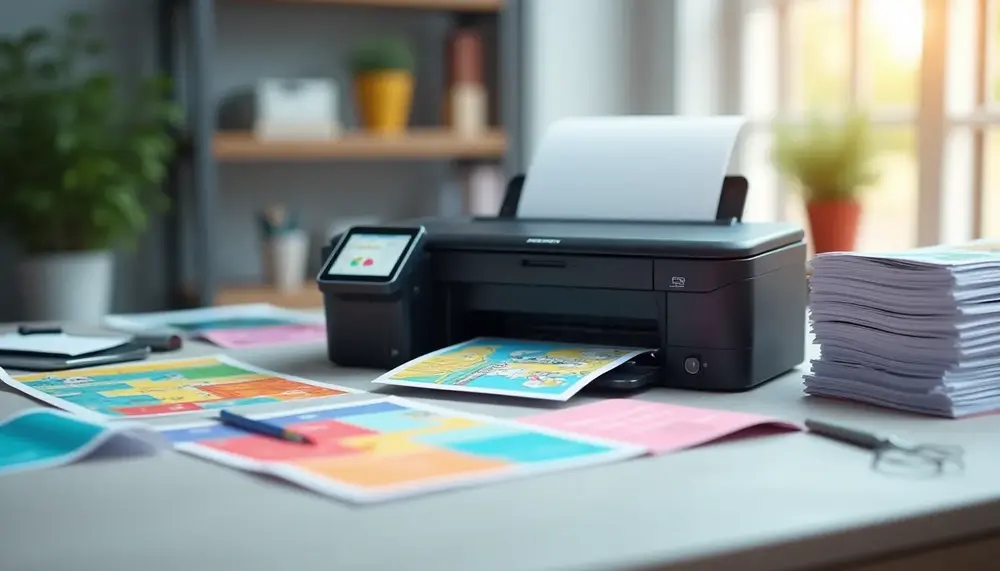
Digital printing is a revolutionary printing method that utilizes digital files to produce physical print products. Unlike traditional printing methods, which often require plates and complex setups, digital printing allows for a direct transfer of digital images onto various media such as paper, plastic, fabric, and ceramics. This technique is characterized by its ability to print in full color at high resolutions, making it ideal for both small and large production runs.
At its core, digital printing simplifies the printing process. It eliminates the need for physical printing plates, which can be costly and time-consuming to create. Instead, digital printers use electronic files to control the printing process, resulting in a more streamlined workflow. This not only reduces production time but also enhances flexibility, allowing for quick adjustments to designs and immediate printing of customized products.
Digital printing is particularly advantageous for small print runs and personalized items. It enables businesses to produce high-quality prints without the overhead costs associated with traditional methods, making it a cost-effective solution for on-demand printing needs.
Overall, digital printing represents a significant shift in the printing industry, combining efficiency, quality, and versatility. As technology continues to advance, digital printing is poised to play an even more critical role in the future of print technology.
Digital Printing vs. Offset Printing
Digital Printing vs. Offset Printing
When comparing digital printing to offset printing, it's essential to understand the distinct characteristics and use cases for each method. Both techniques have their strengths, making them suitable for different printing needs.
Digital Printing is particularly advantageous for projects that require:
- Short Run Lengths: Digital printing excels in producing small quantities quickly without the need for extensive setup. This makes it ideal for limited editions, prototypes, or personalized products.
- Rapid Turnaround: With fewer production steps involved, digital printing can significantly reduce lead times, making it perfect for urgent jobs.
- Customization: This method allows for easy modifications to designs, enabling personalized prints for each item without affecting the overall production process.
On the other hand, Offset Printing is favored for:
- High Volume Production: Offset printing is more cost-effective for large print runs, where the initial setup costs can be spread over a more significant number of copies.
- Consistent Quality: This method produces high-quality prints with consistent color reproduction, which is particularly beneficial for branding and marketing materials.
- Variety of Materials: Offset printing can handle a wider range of substrates, including thicker stocks and specialty papers, making it versatile for various applications.
While digital printing is often more flexible and faster for smaller jobs, offset printing remains the go-to choice for large-scale projects requiring high-quality output. Understanding the specific needs of a project is crucial in deciding which printing method to utilize.
Pros and Cons of Digital Printing
| Advantages | Disadvantages |
|---|---|
| Cost-effectiveness for short runs | Higher unit costs for large runs |
| Faster production times | Limited color matching |
| High-quality output | Material limitations |
| Environmental benefits | Print longevity issues |
| Versatile applications | Inconsistent quality on different media |
| Personalization and customization |
Advantages of Digital Printing
Advantages of Digital Printing
Digital printing offers numerous advantages that make it a preferred choice in various printing applications. Here are some key benefits that stand out:
- Cost-Effectiveness for Short Runs: One of the primary benefits of digital printing is its affordability for short print runs. Traditional methods often incur high setup costs, making them less viable for smaller quantities. Digital printing, however, eliminates these costs, allowing businesses to print only what they need.
- Faster Production Times: Digital printing significantly reduces the time from concept to production. Because it bypasses the lengthy setup processes associated with traditional printing, businesses can get their products to market more quickly.
- High-Quality Output: Advances in digital printing technology have led to impressive print quality, often rivaling that of offset printing. With the ability to produce vibrant colors and sharp details, digital prints can meet the high expectations of clients.
- Environmental Benefits: Digital printing is generally more environmentally friendly than traditional methods. It produces less waste since there are no plates to dispose of, and it often uses less energy. Additionally, many digital printers utilize eco-friendly inks.
- Versatile Applications: Digital printing can accommodate a wide variety of materials and products. From business cards to large-format banners and even textiles, the versatility of digital printing opens up creative possibilities for marketers and designers.
- Personalization and Customization: Digital printing allows for easy customization of prints, enabling businesses to create personalized items tailored to individual customer needs. This capability is particularly valuable in marketing and promotional materials, where targeted messaging can enhance engagement.
Overall, the advantages of digital printing make it a compelling option for businesses seeking efficiency, quality, and flexibility in their printing needs. As technology continues to evolve, these benefits are likely to expand further, solidifying digital printing's role in the future of the print industry.
Disadvantages of Digital Printing
Disadvantages of Digital Printing
While digital printing comes with numerous advantages, it is essential to acknowledge its limitations as well. Understanding these drawbacks can help businesses make informed decisions about their printing needs.
- Higher Unit Costs for Large Runs: When it comes to larger print volumes, digital printing can become more expensive per unit compared to traditional methods like offset printing. The initial setup costs are lower, but the cost per piece can rise significantly when producing a high quantity.
- Limited Color Matching: Achieving precise color matching can be challenging with digital printing. Without proper ICC (International Color Consortium) profiles and calibration, color variances may occur, which can affect the consistency of branding materials.
- Material Limitations: Not all substrates are suitable for digital printing. Certain materials may not work well with digital ink or may require specific printer capabilities, limiting options for some projects.
- Print Longevity: Digital prints may not have the same longevity as those produced by traditional methods. Depending on the type of ink and substrate used, some digital prints can fade faster when exposed to light or environmental factors.
- Inconsistent Quality on Different Media: The print quality can vary depending on the media used. Some surfaces may absorb ink differently, leading to inconsistencies in the final product.
Recognizing these disadvantages is crucial for businesses looking to leverage digital printing effectively. While it offers flexibility and speed, careful consideration of these factors will help ensure the best outcomes for print projects.
Types of Digital Printing Machines
Types of Digital Printing Machines
Digital printing technology encompasses various types of machines, each designed for specific applications and printing requirements. Understanding these different types can help businesses choose the right equipment for their needs.
- Plotter Machines: These are specialized printers used primarily for large-format printing, such as banners, posters, and architectural drawings. They use vector-based graphics and are excellent for creating detailed line art and designs.
- DTF Printers (Direct to Film): DTF printing is gaining popularity for its ability to print directly onto film, which can then be transferred onto textiles. This method is particularly effective for producing vibrant designs on fabrics and is often used in the apparel industry.
- Flatbed Printers: These versatile machines allow for printing on a variety of substrates, including rigid materials like wood, metal, and glass. Flatbed printers are ideal for custom signage, displays, and promotional items, providing high-quality prints with excellent durability.
- Inkjet Printers: Widely used in both commercial and home settings, inkjet printers utilize liquid ink to produce high-quality images and text. They are suitable for a range of applications, from photo printing to document production, and can handle various media types.
- Solid Printers: Also known as 3D printers, solid printers create three-dimensional objects by layering materials. This technology is increasingly being used in prototyping, product design, and even in manufacturing custom parts.
- 3D Printers: These printers build objects layer by layer using materials like plastic, resin, or metal. They are used for rapid prototyping, custom manufacturing, and even in industries such as healthcare for creating patient-specific models or implants.
Each type of digital printing machine serves unique purposes and offers distinct advantages. By understanding the capabilities of these machines, businesses can effectively tailor their printing solutions to meet specific demands and enhance their production processes.
Business Benefits of Digital Printing
Business Benefits of Digital Printing
Digital printing provides a variety of advantages that can significantly enhance business operations and marketing strategies. Here are some key benefits that businesses can leverage:
- Increased Efficiency: Digital printing allows for streamlined workflows, reducing the time and labor required for production. This efficiency not only speeds up delivery times but also enables businesses to respond quickly to market demands.
- On-Demand Printing: Businesses can print materials as needed, which reduces inventory costs and minimizes waste. This on-demand capability is particularly beneficial for companies that require frequent updates to their marketing materials.
- Enhanced Marketing Opportunities: With digital printing, businesses can easily create targeted marketing campaigns. Personalized print materials, such as direct mail pieces, can be tailored to specific customer segments, improving engagement and conversion rates.
- Lower Initial Investment: The initial cost of entry for digital printing is often lower than that of traditional printing methods. This accessibility allows small businesses to invest in high-quality printing without the burden of significant upfront costs.
- Rapid Prototyping: Digital printing facilitates quick prototyping of products and marketing materials. Businesses can test new designs and concepts without incurring high costs, enabling them to refine their offerings before full-scale production.
- Improved Customer Satisfaction: The ability to produce high-quality, customized products quickly can lead to increased customer satisfaction. Meeting specific client needs in a timely manner enhances the overall customer experience, fostering loyalty and repeat business.
By capitalizing on these benefits, businesses can not only improve their operational efficiency but also enhance their competitive edge in the market. Digital printing serves as a valuable tool for companies looking to innovate and adapt to the ever-changing landscape of consumer demands.
Applications of Digital Printing
Applications of Digital Printing
Digital printing has revolutionized various industries by providing innovative solutions for diverse applications. Here are some of the key areas where digital printing is making a significant impact:
- Advertising and Promotion: Digital printing is widely used for creating eye-catching promotional materials such as flyers, brochures, and posters. Its ability to produce vibrant colors and intricate designs helps businesses capture attention and effectively convey their messages.
- Packaging: The packaging industry benefits from digital printing through customized labels and packaging solutions. Businesses can create small batches of unique packaging designs that cater to specific products or seasonal campaigns, enhancing brand identity.
- Textiles and Apparel: Digital printing has transformed the textile industry, allowing for high-quality prints on fabrics. This technology is utilized for custom clothing, home textiles, and promotional items, enabling brands to offer personalized products that stand out in the market.
- Art and Décor: Artists and designers leverage digital printing to produce high-quality reproductions of artwork, photography, and other creative designs. This method allows for the creation of limited editions and unique pieces without the need for extensive production runs.
- Signage: Digital printing is essential for producing indoor and outdoor signage, including banners, wayfinding signs, and vehicle wraps. Its versatility allows for quick updates and the ability to print on various substrates, making it ideal for both temporary and permanent signage solutions.
- Business Cards and Stationery: Personalized business cards and stationery can be produced efficiently with digital printing. This capability allows companies to create unique branding materials that reflect their identity and values while maintaining high quality.
These applications demonstrate the versatility and effectiveness of digital printing across different sectors. As technology advances, the potential for new applications continues to expand, making digital printing an essential tool for businesses aiming to innovate and engage their audiences effectively.
Future Trends in Digital Printing
Future Trends in Digital Printing
The digital printing landscape is rapidly evolving, driven by technological advancements and changing market demands. Here are some emerging trends that are shaping the future of digital printing:
- Integration of Artificial Intelligence: AI is playing a crucial role in optimizing printing processes. From predictive maintenance to automated quality control, AI technologies help enhance efficiency and reduce downtime, enabling printers to deliver higher quality outputs consistently.
- Personalization at Scale: As consumer preferences shift towards customized products, digital printing technology is evolving to meet these demands. Innovations allow businesses to produce personalized items in larger quantities without compromising quality, making it easier to cater to individual customer needs.
- Sustainable Printing Practices: The push for sustainability is prompting the adoption of eco-friendly inks and materials in digital printing. Companies are increasingly looking to reduce their environmental footprint, leading to advancements in biodegradable inks and recyclable substrates.
- 3D Printing Expansion: While traditional digital printing focuses on flat materials, 3D printing is expanding the possibilities for product design and manufacturing. This technology enables the creation of complex shapes and structures, opening new avenues for industries such as healthcare, automotive, and consumer goods.
- Enhanced Workflow Automation: The integration of software solutions that automate various stages of the printing process is becoming more prevalent. Workflow automation tools streamline order management, production scheduling, and inventory control, allowing businesses to operate more efficiently.
- Increased Use of Augmented Reality: Augmented reality (AR) is making its way into digital printing, providing customers with interactive experiences. Businesses can create AR-enhanced printed materials that engage consumers in innovative ways, bridging the gap between physical and digital worlds.
As these trends continue to develop, they will further transform the digital printing industry, providing businesses with new opportunities to innovate and stay competitive in an increasingly dynamic marketplace.
Environmental Impact of Digital Printing
Environmental Impact of Digital Printing
Digital printing has emerged as a more environmentally friendly option compared to traditional printing methods. Here are some key aspects of its environmental impact:
- Reduced Waste: Digital printing minimizes waste production since it does not require printing plates or extensive setup materials. This leads to fewer discarded materials during the printing process.
- Lower Energy Consumption: Digital printers often use less energy than traditional printers, particularly in short-run jobs. The absence of long setup times and the efficient use of resources contribute to this reduction in energy use.
- Eco-Friendly Inks: Many digital printing technologies utilize water-based or vegetable-based inks, which are less harmful to the environment than solvent-based inks. This shift helps reduce volatile organic compounds (VOCs) released during the printing process.
- Recyclability of Materials: Digital printing can accommodate recyclable materials more effectively, allowing businesses to choose sustainable substrates that reduce landfill contributions. Many digital printers are designed to work with recyclable and biodegradable papers.
- On-Demand Printing: The ability to print on demand further supports sustainability efforts. Businesses can produce only what they need, reducing overproduction and excess inventory, which often ends up as waste.
Overall, the environmental impact of digital printing is largely positive, making it a suitable choice for businesses looking to adopt more sustainable practices while meeting their printing needs.
Choosing the Right Digital Printing Service
Choosing the Right Digital Printing Service
Selecting the right digital printing service is crucial for ensuring that your printing projects meet your expectations and requirements. Here are several factors to consider when making your choice:
- Quality of Work: Always review samples of previous work. Look for sharpness, color accuracy, and overall print quality to ensure that the service can deliver the high standards you require.
- Range of Services: Consider a provider that offers a wide array of services, including various printing techniques and materials. This flexibility allows you to adapt to different projects without needing to switch providers.
- Technology Used: Inquire about the types of digital printing technology the service uses. Advanced machinery can significantly affect the quality and speed of production. Make sure they have up-to-date equipment that meets your project needs.
- Turnaround Time: Evaluate the company’s ability to meet deadlines. Ask about their average turnaround times and ensure they can accommodate your schedule, especially for urgent projects.
- Customer Support: Good communication is essential. Choose a service that offers responsive customer support to address any questions or concerns throughout the printing process.
- Pricing Structure: Understand the pricing model of the printing service. Some may charge per piece, while others may have flat rates for larger orders. Ensure that there are no hidden fees and that the pricing aligns with your budget.
- Environmental Practices: If sustainability is important to you, inquire about the printing service’s environmental practices. Look for companies that use eco-friendly inks and materials, and have waste reduction strategies in place.
By carefully evaluating these factors, you can choose a digital printing service that not only meets your specific needs but also enhances the overall effectiveness of your printing projects.
FAQ about Digital Printing: The Future of Print Technology
What is digital printing?
Digital printing is a method that directly prints digital files onto various media. It allows for quick production without the need for physical printing plates.
What are the benefits of digital printing?
The benefits of digital printing include faster production times, cost-effectiveness for small runs, high-quality output, and the ability to customize and personalize prints easily.
How does digital printing compare to offset printing?
Digital printing is ideal for short runs and quick turnaround times, while offset printing is more cost-effective for large volumes with consistent quality across many pieces.
What are the limitations of digital printing?
Limitations of digital printing include higher costs per unit for large runs, potential color matching issues, and material restrictions depending on the printer type.
What is the future of digital printing technology?
The future of digital printing technology includes advancements in automation and artificial intelligence, increased personalization, eco-friendly practices, and expanded applications across various industries.


