Printing Methods & Options Editorial team Document Printing · As of
The Ultimate Guide to Digital Printing on Glass: Techniques and Tips
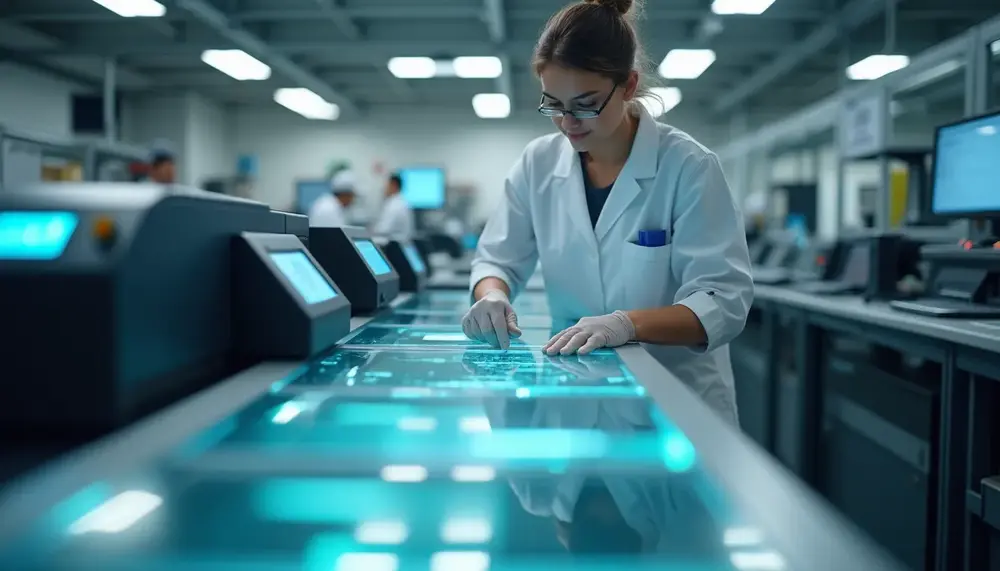 AI-generated image. It does not show real footage or any specific device. More about our images
Contents 17 sections
Understanding Digital Printing on Glass
Understanding digital printing on glass involves grasping both the technology and the artistry behind the process. This innovative method allows for the direct transfer of intricate designs onto glass surfaces, resulting in stunning visuals that can enhance any space. The key lies in the precision of the digital printing technology, which utilizes advanced printers to produce high-resolution images with a remarkable range of colors and opacities.
One of the standout features of digital printing on glass is the integration of ink into the glass surface during the tempering process. This not only ensures durability but also enhances the visual quality of the print, making it resistant to scratches, fading, and chemical damage. The versatility of this technique makes it suitable for various applications, from architectural elements to decorative pieces.
Here are some essential aspects to consider when delving into digital printing on glass:
- Technology: Understanding the different types of printers and inks used can significantly impact the quality and style of the final product.
- Design Preparation: Properly preparing your designs is crucial for achieving the best results. This includes selecting appropriate file formats and resolutions.
- Application: Knowing where and how to use digitally printed glass can open up creative possibilities, whether for interior design, signage, or custom projects.
As you explore digital printing on glass, consider not just the technical aspects but also how this medium can be leveraged to create unique and captivating designs that resonate with your vision.
Benefits of Digital Printing Techniques
Digital printing techniques offer numerous benefits that elevate the quality and appeal of glass products. By leveraging advanced technology, these methods not only enhance aesthetics but also improve functionality. Here are some key advantages:
- High Precision: Digital printing allows for intricate designs and details that traditional methods may struggle to achieve. This precision is particularly advantageous for architectural applications where accuracy is paramount.
- Customization: One of the standout features of digital printing is the ability to customize designs easily. Clients can submit their unique artwork or branding, resulting in truly personalized glass products.
- Quick Turnaround: The digital printing process typically requires less setup time compared to conventional printing methods. This efficiency can lead to faster project completions and reduced lead times.
- Environmentally Friendly: Many digital printing techniques utilize eco-friendly inks and materials, aligning with sustainable practices. This is increasingly important for clients aiming to reduce their environmental impact.
- Durability: The ink used in digital printing is integrated into the glass surface, making it resistant to wear and tear. This durability ensures that designs maintain their vibrancy over time, even in challenging environments.
- Versatile Applications: Digital printing on glass is suitable for a wide range of applications, from decorative panels and signage to functional surfaces like countertops and shower doors.
In conclusion, the benefits of digital printing techniques extend beyond mere aesthetics. They offer practical solutions that cater to the diverse needs of various industries, making them an essential choice for modern glass design and production.
Pros and Cons of Digital Printing on Glass
| Pros | Cons |
|---|---|
| High precision and detail in designs | Initial setup costs can be high |
| Customizable designs for unique applications | Requires specific glass types for optimal results |
| Quick turnaround time for projects | Potential challenges with ink adhesion |
| Environmentally friendly ink options available | Limited to certain printing methods for durability |
| Durable prints with resistance to fading and scratches | Color representation can vary based on glass type |
Choosing the Right Glass for Printing
Choosing the right glass for printing is crucial to achieving optimal results in digital glass printing. The type of glass you select can significantly impact the final quality of the printed product, as well as its functionality and aesthetic appeal. Here are some key considerations to keep in mind:
- Glass Thickness: The thickness of the glass can influence both the durability and the printing process. Thicker glass may provide more stability and resistance to breakage, while thinner glass can be more lightweight and easier to handle.
- Type of Glass: Different types of glass, such as tempered, laminated, or annealed glass, offer varying levels of strength and safety. For instance, tempered glass is often preferred for its enhanced durability and resistance to thermal stress, making it suitable for high-traffic areas.
- Surface Finish: The finish of the glass surface can affect how well the ink adheres. Smooth surfaces typically yield better results, as they allow for a more even application of ink. Additionally, certain finishes can enhance the overall appearance of the printed design.
- Opacity Levels: Depending on the design requirements, you may want to choose glass with specific opacity levels. Clear glass allows for vibrant colors and detailed designs, while frosted or tinted glass can create a softer look and add privacy.
- Compatibility with Inks: Ensure that the glass type is compatible with the inks being used for printing. Some inks may require specific glass formulations to achieve optimal adhesion and durability.
By carefully considering these factors, you can select the appropriate glass that aligns with your design vision and functional needs, leading to successful outcomes in digital printing projects.
Types of Digital Printing Methods
When it comes to digital printing on glass, several methods are available, each with its unique advantages and applications. Understanding these different printing techniques can help you choose the best option for your specific project needs.
- Direct-to-Glass Printing: This method involves printing directly onto the glass surface using specialized inkjet printers. It allows for high-resolution images and intricate designs, making it ideal for architectural applications and custom artwork.
- UV Printing: UV printing utilizes ultraviolet light to cure the ink as it is applied to the glass. This technique results in vibrant colors and allows for the use of various ink types, including those that create textures and finishes. UV printing is particularly effective for detailed images and can be used for both interior and exterior applications.
- Ceramic Ink Printing: This method employs ceramic inks that are fused to the glass surface during the tempering process. The resulting prints are extremely durable, resistant to scratching, and can withstand harsh environmental conditions, making them suitable for outdoor use.
- Screen Printing: A traditional method that involves pushing ink through a mesh screen onto the glass surface. While it may not achieve the same level of detail as digital methods, screen printing is cost-effective for larger runs and can produce vibrant colors.
- Substrate Printing: This technique involves printing on a material that will be adhered to the glass. It allows for creative layering and can incorporate various textures and finishes, adding depth to the final product.
Each of these printing methods offers distinct benefits depending on the desired outcome, project scale, and budget. By understanding these options, you can make informed decisions that align with your vision for digitally printed glass.
Ink Selection for Glass Printing
Ink selection is a critical aspect of the digital printing process on glass, significantly influencing the quality, durability, and visual appeal of the final product. Choosing the right type of ink can enhance the design while ensuring it meets specific functional requirements. Here’s an overview of the key considerations when selecting ink for glass printing:
- Ink Type: There are primarily two categories of inks used in glass printing: ceramic inks and UV inks. Ceramic inks are known for their durability and resistance to high temperatures, making them ideal for outdoor applications. UV inks, on the other hand, cure quickly under UV light, allowing for vibrant colors and intricate designs.
- Adhesion Properties: The ink must adhere well to the glass surface to prevent peeling or fading over time. Testing different inks for adhesion under various environmental conditions ensures longevity and performance.
- Color Fastness: Consider the lightfastness and chemical resistance of the ink. High-quality inks should resist fading when exposed to sunlight and withstand cleaning agents without degrading.
- Environmental Considerations: Opt for eco-friendly inks whenever possible. Sustainable inks reduce environmental impact and align with modern consumer preferences for greener products.
- Finish Options: Inks can provide different finishes, such as matte, glossy, or satin. The choice of finish can affect the overall look and feel of the printed glass, so it’s essential to align the finish with the intended application.
By carefully considering these factors, you can select inks that not only enhance the aesthetic qualities of your glass prints but also ensure their durability and functionality in various applications.
Preparing Designs for Glass Printing
Preparing designs for glass printing is a critical step that directly impacts the quality and success of the final product. A well-prepared design ensures that the printed graphics appear crisp, vibrant, and durable. Here are essential considerations to keep in mind when preparing your designs:
- File Format: Use vector formats such as AI (Adobe Illustrator) or EPS for graphics, as they scale without losing quality. For photographic images, high-resolution raster formats like PNG or TIFF are recommended.
- Resolution: Ensure that images are created at a minimum resolution of 300 DPI (dots per inch) for optimal clarity. Higher resolutions are preferable, especially for large prints, to avoid pixelation.
- Color Mode: Set your design files to CMYK color mode, as this is the standard for printing. This will help in achieving accurate color representation in the final print.
- Design Size: Create your design at the exact dimensions of the glass surface to avoid resizing issues. Consider including bleed areas to ensure that the design extends to the edges of the glass.
- Layer Management: Organize your design layers effectively. Use separate layers for different elements, which can simplify adjustments and modifications during the printing process.
- Visual Testing: Conduct visual tests by printing a small sample of the design on paper. This allows you to evaluate colors, details, and overall appearance before committing to the glass print.
By following these guidelines, you can ensure that your designs are well-prepared for glass printing, resulting in high-quality products that meet your expectations and project requirements.
Printing Process Overview
The printing process for digital printing on glass involves several meticulously coordinated steps that ensure high-quality outcomes. Understanding this process is essential for achieving the best results in your glass printing projects. Below is an overview of the key stages involved:
- Design Preparation: Before printing begins, the design must be properly prepared, including selecting the right file format, resolution, and color mode. This foundational step sets the tone for the entire printing process.
- Glass Selection: Choosing the appropriate type of glass is crucial. Factors such as thickness, surface finish, and compatibility with the chosen inks play a significant role in the success of the printing.
- Printing Setup: The glass is loaded into the printer, and the machine is calibrated according to the specifications of the design. This setup phase includes ensuring the correct alignment and positioning of the glass.
- Ink Application: During the printing phase, the selected ink is applied directly onto the glass surface. Advanced printers use precise technology to ensure even coverage and vibrant color reproduction.
- Curing Process: After printing, the glass undergoes a curing process where the ink is either baked or cured using UV light. This step is vital for ensuring the ink adheres properly and enhances durability.
- Quality Control: Once the curing is complete, a thorough quality control inspection is conducted. This includes checking for color accuracy, adhesion, and any potential defects in the print.
- Finishing Touches: Depending on the application, additional finishing processes such as polishing or applying protective coatings may be performed to enhance the glass's appearance and longevity.
By following these steps meticulously, you can ensure that your digital printing projects yield exceptional results, combining artistry with functionality in your glass products.
Post-Printing Treatments and Finishes
Post-printing treatments and finishes are essential steps that enhance the quality and longevity of digitally printed glass products. These processes not only improve the visual appeal but also provide additional protective features that are crucial for various applications. Here are some key treatments and finishes to consider:
- Polishing: After printing, glass surfaces may require polishing to remove any residual marks or imperfections. This process enhances clarity and provides a smooth finish that complements the printed design.
- Protective Coatings: Applying a protective coating can significantly improve the glass's resistance to scratches, chemicals, and UV light. Coatings such as anti-graffiti or hydrophobic layers can also make cleaning easier and maintain the integrity of the print.
- Color Treatments: For certain applications, additional color treatments can be applied to enhance the vibrancy of the printed design. These treatments can deepen colors or add unique effects that further personalize the glass product.
- Texturing: Some finishes may involve adding a texture to the glass surface, which can alter the way light interacts with the print, providing a distinctive look. Textured finishes can add depth and dimension to the design.
- Edge Finishing: The edges of glass can be polished or beveled to create a more refined appearance. This is particularly important for applications where the edges will be visible, such as countertops or display cases.
By incorporating these post-printing treatments and finishes, you can significantly enhance the durability, appearance, and functionality of your digitally printed glass products, ensuring they meet both aesthetic and practical requirements.
Applications of Digitally Printed Glass
Digitally printed glass has a wide range of applications across various industries, showcasing its versatility and aesthetic appeal. The unique properties of digitally printed glass make it suitable for both functional and decorative purposes. Here are some notable applications:
- Interior Design: Digitally printed glass is often used for wall coverings, providing a stylish and modern aesthetic. Custom designs can transform spaces, making them more inviting and visually interesting.
- Partitions and Doors: Glass partitions and doors featuring digital prints can enhance privacy while maintaining an open feel in office spaces or homes. These designs can also incorporate branding elements for commercial environments.
- Feature Walls: Printed glass panels can serve as striking feature walls, adding a focal point to any room. Unique designs can reflect personal style or corporate identity, making them ideal for both residential and commercial projects.
- Railings and Balustrades: Incorporating printed glass into railings and balustrades not only adds a decorative touch but also improves safety. Custom designs can enhance the overall aesthetic of staircases and balconies.
- Shower Enclosures: Digitally printed glass is increasingly popular for shower enclosures, where custom patterns or images can create a spa-like atmosphere. The durability of the print ensures it withstands moisture and daily use.
- Outdoor Applications: Printed glass is also suitable for exterior applications such as facades and signage. Its resistance to fading and weathering makes it an excellent choice for outdoor environments.
With its ability to combine functionality and artistic expression, digitally printed glass continues to gain traction in various sectors, providing innovative solutions for modern design challenges.
Case Studies of Successful Projects
Case studies of successful projects using digitally printed glass illustrate the versatility and impact of this technology across various sectors. Here are a few notable examples that highlight innovative applications and the benefits realized by clients:
- DC Law Firm: In this project, digitally printed glass was used to create stunning office partitions that feature the firm’s branding. The high-resolution prints not only enhanced the aesthetic of the workspace but also improved privacy without sacrificing natural light, fostering a modern and professional environment.
- Bracco Diagnostics: This healthcare facility utilized digitally printed glass for signage and decorative elements throughout their building. Custom designs reflecting their brand identity were printed on glass panels, contributing to a cohesive look while ensuring durability and ease of maintenance in high-traffic areas.
- Bay Area Headquarters Authority: For this public project, large-scale digitally printed glass was used in a prominent building facade. The intricate designs not only served as eye-catching architectural features but also provided functional benefits such as shading and privacy, demonstrating the potential of digital printing in public infrastructure.
These case studies exemplify how digitally printed glass can enhance both functionality and aesthetics in diverse environments, offering tailored solutions that meet specific client needs while pushing the boundaries of design. Such successful implementations underscore the transformative potential of this technology in modern architecture and interior design.
Maintenance and Care for Printed Glass
Maintaining and caring for digitally printed glass is essential to ensure its longevity and visual appeal. Proper maintenance not only preserves the integrity of the print but also enhances the overall aesthetic of the glass. Here are some key practices to follow:
- Regular Cleaning: Use a soft, lint-free cloth and a mild glass cleaner to wipe the surface. Avoid abrasive cleaners or scrubbing pads, as these can scratch the surface and damage the print.
- Avoid Harsh Chemicals: Stay clear of ammonia-based or acidic cleaners, which can degrade the ink and diminish the vibrancy of the printed design. Opt for pH-neutral cleaners that are safe for glass surfaces.
- Inspect for Damage: Periodically check the glass for any signs of wear or damage. Addressing scratches or chips promptly can prevent further deterioration and maintain the appearance of the print.
- Control Environmental Factors: If possible, keep printed glass away from direct sunlight for prolonged periods, as UV exposure can lead to fading over time. Additionally, maintain stable humidity levels to prevent condensation or moisture build-up.
- Professional Maintenance: For larger installations or complex designs, consider hiring professional cleaners who specialize in glass care. They can provide specialized treatments that enhance the durability and appearance of the glass.
By implementing these maintenance practices, you can extend the life of your digitally printed glass products, ensuring they remain vibrant and visually appealing for years to come.
Collaborating with Designers and Artists
Collaborating with designers and artists is a vital aspect of the digital printing on glass process, enhancing creativity and ensuring that the final product aligns with the client’s vision. This collaboration can take many forms and brings several benefits:
- Creative Synergy: Working closely with designers allows for the fusion of artistic vision with technical capabilities. This synergy can lead to innovative designs that may not have been possible without collaboration.
- Tailored Solutions: Designers can provide insights into specific project requirements, ensuring that the printed glass meets both aesthetic and functional needs. Their expertise can help in selecting the right colors, textures, and finishes that complement the overall design.
- Prototype Development: Collaborating with artists enables the creation of prototypes or mock-ups. This allows clients to visualize the design in context, facilitating adjustments before the final production phase.
- Unique Customization: Artists can introduce unique patterns or motifs that reflect the client’s identity or brand. This level of customization ensures that the printed glass is not just functional but also a statement piece.
- Feedback and Iteration: Continuous feedback loops between artists, designers, and the production team help refine the designs. This iterative process often results in a more polished final product that meets or exceeds expectations.
By fostering strong partnerships with designers and artists, businesses can enhance the impact of their digitally printed glass products, ensuring they resonate with audiences and serve their intended purpose effectively.
Sustainability in Digital Glass Printing
Sustainability in digital glass printing is increasingly becoming a focal point for manufacturers and consumers alike. As awareness of environmental issues grows, the glass printing industry is adapting to meet these challenges by implementing sustainable practices that reduce waste and energy consumption. Here are several key aspects of sustainability in digital glass printing:
- Eco-Friendly Inks: Many companies are now utilizing low-VOC (volatile organic compounds) and water-based inks that minimize environmental impact. These inks not only reduce harmful emissions during the printing process but also contribute to healthier indoor air quality.
- Energy Efficiency: Advanced printing technologies, such as UV curing, consume less energy compared to traditional methods. By optimizing the printing process and using energy-efficient machinery, manufacturers can significantly lower their carbon footprint.
- Recyclability of Materials: Glass is inherently recyclable, and using printed glass in construction and design can promote a circular economy. Projects that incorporate recycled glass not only reduce waste but also lower the demand for new raw materials.
- Durability and Longevity: Digitally printed glass products are designed for durability, which reduces the need for frequent replacements. This longevity helps to conserve resources and minimize waste over time, making them a more sustainable choice.
- Responsible Sourcing: Companies are increasingly focusing on sourcing raw materials from sustainable suppliers. This includes using glass from manufacturers that prioritize eco-friendly practices and ethical labor standards.
By embracing these sustainable practices, the digital glass printing industry not only addresses environmental concerns but also meets the growing demand from consumers for eco-conscious products. This commitment to sustainability can enhance brand reputation and foster loyalty among environmentally aware customers.
Future Trends in Digital Glass Printing
As the digital glass printing industry continues to evolve, several future trends are emerging that promise to reshape the landscape of this technology. These trends are driven by advancements in materials, technology, and an increasing focus on sustainability. Here are some key trends to watch for:
- Integration of Smart Technologies: The incorporation of smart technology into glass printing is on the rise. This includes the development of glass that can change opacity or color based on environmental conditions, enhancing both aesthetics and functionality in architectural applications.
- Augmented Reality (AR) Applications: The use of AR in design processes is expected to grow. Designers can visualize how printed glass will look in situ, allowing for more informed decisions and innovative designs that integrate seamlessly into their surroundings.
- Advanced Ink Technologies: Research is ongoing into new types of inks that offer improved adhesion, durability, and environmental safety. Innovations like bio-based inks are gaining traction, providing sustainable options without compromising on performance.
- Customization and Personalization: The demand for personalized designs is increasing. As digital printing technology becomes more accessible, clients are looking for unique, custom solutions that reflect their individual tastes or brand identities, leading to more bespoke applications in both commercial and residential projects.
- Sustainable Practices: The push for sustainability is influencing every aspect of digital glass printing. Companies are focusing on reducing waste, using recyclable materials, and adopting energy-efficient processes to meet consumer expectations for environmentally responsible products.
- Collaborative Design Platforms: Online platforms that facilitate collaboration between clients, designers, and manufacturers are emerging. These platforms allow for real-time feedback and adjustments, streamlining the design process and enhancing creativity.
By staying attuned to these trends, businesses in the digital glass printing industry can position themselves at the forefront of innovation, meeting the evolving needs of their clients while contributing to a more sustainable future.
Contact Information for Further Inquiries
For further inquiries regarding digital printed glass solutions or to discuss specific project needs, please feel free to reach out to us using the contact information below:
- Address: 1240 N Homan Ave, Chicago, IL 60651
- Phone: 833.814.4413
- Email Contacts:
- Healthcare & Custom Glass: mark@skyline.glass
- Smart Glass: steve@skyline.glass
- Glassboards: glassboards@skyline.glass
Our team is ready to assist you with any questions, provide additional information about our products, or collaborate on custom designs tailored to your unique requirements. We look forward to hearing from you!
FAQ on Digital Printing Techniques for Glass
What is digital printing on glass?
Digital printing on glass is a method that involves directly creating high-resolution images and designs on glass surfaces using specialized inkjet printers, resulting in vibrant and detailed artwork.
What are the benefits of digital printing on glass?
Benefits include high precision and detail, customization options, quick turnaround times, durability against fading and scratches, and environmentally friendly ink choices.
What types of glass are best for printing?
The best types of glass for printing are typically tempered or laminated glass due to their durability and heat resistance. Smooth surfaces also provide better adhesion for inks.
How do I prepare designs for glass printing?
Designs should be created in vector formats like AI or EPS for graphics, have a resolution of at least 300 DPI, and use CMYK color mode to ensure accurate color representation in the final print.
What post-printing treatments can enhance digital prints on glass?
Post-printing treatments may include polishing the surface, applying protective coatings, adding color treatments, and finishing the edges of the glass to enhance durability and appearance.
This post was created with the support of AI. More on this