
Table of Contents:
Understanding Digital Printing on Wood
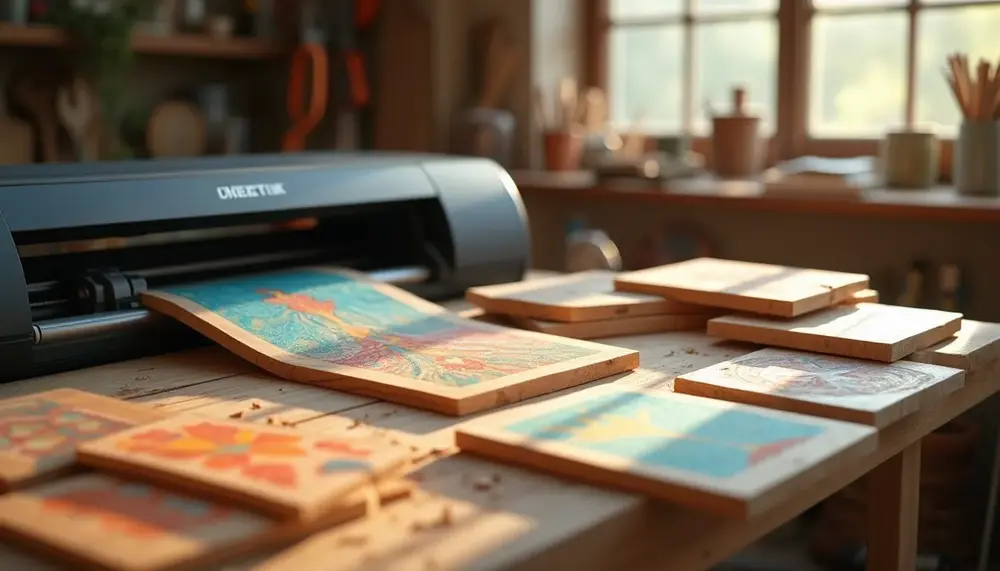
Digital printing on wood has revolutionized the way we create and customize wooden products. This innovative technology allows for high-resolution images, text, and intricate designs to be printed directly onto various wood substrates, creating unique and personalized items.
One of the key aspects of digital printing on wood is the use of UV printing technology. This method employs ultraviolet light to cure the ink as it is printed, resulting in vibrant colors and sharp details. Unlike traditional printing methods, digital printing does not require the use of screens or plates, making it more versatile and cost-effective for small production runs.
Another important factor to consider is the type of wood used. Different woods have unique characteristics that can affect the final print quality. For instance, softer woods like pine may absorb ink differently than harder woods like oak or maple. Understanding these differences can help achieve the best results in terms of color vibrancy and image clarity.
Digital printing on wood also opens the door to a wide range of applications. From decorative wooden signs and plaques to customized furniture and gifts, the possibilities are endless. Businesses can leverage this technology to create branded items or personalized products that stand out in a crowded marketplace.
Moreover, the durability of printed wood items is enhanced through the use of UV inks, which provide resistance to scratching, fading, and moisture. This makes them suitable for both indoor and outdoor use, further expanding their market potential.
As you explore the creative world of digital printing on wood, it's essential to keep in mind the available technologies, the types of wood, and the potential applications. By combining these elements effectively, you can create stunning products that capture attention and resonate with customers.
Advantages of Digital Printing on Wood
Digital printing on wood offers a multitude of advantages that make it an appealing choice for businesses and creators alike. Here are some key benefits:
- Customization: One of the standout features of digital printing is the ability to create highly customized products. From personalized gifts to branded signage, the options are virtually limitless.
- Efficiency: Digital printing allows for quick turnaround times, especially for small batches. Unlike traditional methods, there’s no need for lengthy setup processes, making it easier to adapt to changing demands.
- Cost-Effectiveness: For low-volume projects, digital printing can be more economical. There are no setup costs for screens or plates, which can significantly reduce overall production expenses.
- Design Flexibility: Digital printing supports complex designs and vibrant colors without the limitations often found in traditional printing techniques. This allows artists and designers to fully realize their creative visions.
- Environmentally Friendly: Many digital printing processes utilize eco-friendly inks and require less energy compared to traditional printing methods. This aligns with a growing consumer preference for sustainable products.
- Reduced Waste: With digital printing, the ability to print only what is needed minimizes waste. This is particularly beneficial for businesses looking to implement sustainable practices.
In summary, the advantages of digital printing on wood extend beyond mere aesthetics. They encompass practical benefits that can lead to increased customer satisfaction, reduced costs, and a more sustainable approach to production. Whether for personal projects or commercial endeavors, digital printing stands out as a powerful tool in the creative arsenal.
Pros and Cons of Digital Printing on Wood
| Advantages | Disadvantages |
|---|---|
| Highly customizable products | Initial investment in technology can be high |
| Quick turnaround times for small batches | Not all wood types provide uniform results |
| Cost-effective for low-volume projects | May require specialized knowledge to operate equipment |
| Supports complex designs and vibrant colors | Durability may vary depending on wood treatment |
| Environmentally friendly options available | Limited to certain types of inks and finishes |
| Reduced waste due to print-on-demand capabilities | Maintenance of printers is necessary for consistent quality |
Types of Wood Suitable for Digital Printing
When it comes to digital printing on wood, not all wood types are created equal. The choice of wood significantly impacts the quality and durability of the printed product. Here are some of the most suitable types of wood for digital printing:
- Pine: This softwood is widely used due to its affordability and ease of printing. Pine takes ink well and produces vibrant colors, making it ideal for signage and decorative items.
- Birch: Known for its smooth surface and light color, birch plywood is a favorite among artists and designers. It provides excellent adhesion for inks, resulting in high-quality prints.
- Maple: With a fine, even texture, maple wood offers a beautiful backdrop for detailed designs. Its hardness makes it suitable for items that require durability.
- Oak: This hardwood is sturdy and has an attractive grain pattern. Oak is often used for furniture and high-end products, allowing for stunning prints that highlight its natural beauty.
- Cherry: Cherry wood features a rich color that deepens with age. It provides a warm tone for printed designs and is ideal for premium items.
- HDF (High-Density Fiberboard): While not a natural wood, HDF is a popular choice for digital printing due to its smooth surface and consistent density. It’s often used for promotional materials and custom signs.
When selecting wood for digital printing, consider not just the aesthetic qualities but also the intended application. The right choice will enhance the overall look and longevity of the printed piece, ensuring that your creative vision comes to life effectively.
Direct Color Systems' Printing Technology
Direct Color Systems (DCS) has established itself as a leader in the digital printing industry, particularly with its advanced printing technologies tailored for wood applications. The company’s commitment to innovation is evident in their range of Direct Jet UV printers, designed to meet the diverse needs of creators and businesses.
One of the standout features of DCS's printing technology is its use of UV LED inks. These inks cure instantly under ultraviolet light, allowing for vibrant colors and high-resolution images on wood surfaces. This technology not only enhances the visual appeal of printed products but also improves durability, making them resistant to scratches and fading.
DCS offers various printer models, each catering to different production scales and requirements. The UV-21MP is ideal for small format printing, while the UV-84DTS Gen2 serves larger projects without compromising quality. Each model is engineered for efficiency and precision, ensuring consistent results across different wood types.
In addition to hardware, DCS provides Color Byte Rip V10, a powerful software solution that streamlines the printing process. This software allows users to optimize their designs for the best output, enabling them to achieve their creative visions with ease.
Another notable aspect of DCS’s technology is the ability to print on various substrates, including both soft and hard woods. This versatility ensures that users can explore a wide range of applications, from decorative items to functional products.
Furthermore, DCS recognizes the importance of customization in today’s market. Their technology supports intricate designs and personalized prints, catering to the growing demand for unique, one-of-a-kind wooden products.
In summary, Direct Color Systems combines cutting-edge technology with a deep understanding of market needs. Their commitment to quality and innovation makes them a preferred choice for those looking to explore the creative potential of digital printing on wood.
Applications of Digital Printing on Wood
Digital printing on wood has a wide range of applications that cater to various industries and creative needs. This versatility allows businesses and artists to harness the unique characteristics of wood to produce innovative products. Here are some key applications:
- Custom Signage: One of the most popular uses of digital printing on wood is for creating custom signs. Businesses can produce eye-catching promotional signs, directional signs, and personalized nameplates that enhance their brand visibility.
- Home Décor: Wood prints can transform living spaces. From decorative wall art to unique furniture pieces, printed wood can add a personal touch to any home.
- Awards and Plaques: Digital printing is ideal for creating custom awards and plaques. Organizations can produce high-quality recognition items that feature logos, text, and intricate designs, making them perfect for ceremonies and events.
- Educational Materials: Schools and educational institutions can utilize printed wood for various educational tools, including interactive displays, learning aids, and classroom decorations that are durable and engaging.
- Product Packaging: Wood-based packaging solutions are becoming increasingly popular. Digital printing allows companies to create unique, branded packaging that stands out on shelves while being environmentally friendly.
- Personalized Gifts: Customized wooden gifts, such as photo frames, coasters, and keepsakes, are highly sought after. Digital printing enables the personalization of these items, making them ideal for special occasions.
- Architectural Elements: In architecture and interior design, printed wood can be used for unique features like wall panels, ceiling tiles, and decorative accents, blending aesthetics with functionality.
Each application of digital printing on wood showcases the technology's adaptability and potential for creativity. As industries continue to evolve, the demand for innovative and personalized wood products will likely expand, opening new avenues for exploration and design.
Creating Custom Wooden Signs
Creating custom wooden signs is a popular application of digital printing that combines artistry with functionality. This process allows individuals and businesses to design unique signs that reflect their brand identity or personal style. Here’s a closer look at how to effectively create these signs:
- Design Considerations: Start by conceptualizing the design. Consider the message, font styles, and colors that align with the intended purpose of the sign. Tools like graphic design software can help bring your vision to life.
- Choosing the Right Wood: Select a suitable wood type based on the desired aesthetics and durability. For example, softer woods like pine are excellent for indoor signs, while harder woods like oak are better suited for outdoor applications.
- Utilizing Digital Printing Technology: Leverage advanced printers, such as the Direct Jet UV models from Direct Color Systems, which can print high-quality images and text directly onto wood surfaces. This technology ensures vivid colors and fine details, enhancing the overall appeal of the sign.
- Finishing Touches: After printing, consider applying a protective finish. This could include UV coatings that enhance durability and resistance to weather conditions, ensuring the longevity of outdoor signs.
- Installation: Finally, determine the best method for displaying the sign. Whether it’s hanging, mounting, or staking, ensure that the installation method complements the sign’s design and location.
Creating custom wooden signs not only fulfills functional needs but also offers a creative outlet. With the right tools and techniques, anyone can produce stunning, personalized signs that make a statement.
Color Vibrancy in Wood Printing
Color vibrancy is a crucial factor in the success of digital printing on wood, as it directly influences the visual impact and appeal of the final product. The ability to reproduce vivid colors and intricate designs can set a printed piece apart, making it more attractive to consumers and enhancing its perceived value.
Several elements contribute to achieving exceptional color vibrancy in wood printing:
- Ink Quality: The use of high-quality UV LED inks is essential for vibrant color output. These inks are formulated to adhere well to wood surfaces, providing rich, saturated colors that stand out.
- Printer Technology: Advanced printers, such as those offered by Direct Color Systems, utilize cutting-edge technology that enables precise ink placement. This results in a higher resolution and better color definition, enhancing the overall visual quality.
- Wood Surface Preparation: Properly preparing the wood surface can significantly impact color vibrancy. A smooth, clean surface allows for better ink adhesion and ensures that colors appear more vibrant and true to the original design.
- Color Calibration: Regular calibration of the printing equipment ensures accurate color reproduction. This process helps maintain consistency across different prints, allowing for uniformity in color vibrancy.
- Design Considerations: Choosing the right color palette and contrast in design can also enhance vibrancy. Bright, bold colors typically stand out more against natural wood tones, creating a striking visual effect.
In conclusion, achieving color vibrancy in wood printing involves a combination of high-quality materials, advanced printing technology, and careful preparation. By focusing on these aspects, businesses and artists can create stunning printed wood products that capture attention and resonate with their audience.
Durability and Longevity of Printed Wood
Durability and longevity are critical factors when considering printed wood products, as they determine how well the item will withstand the test of time and various environmental conditions. Several aspects contribute to the durability of printed wood:
- UV Inks: The use of UV LED inks in digital printing enhances the durability of printed wood. These inks are resistant to fading, making them suitable for both indoor and outdoor applications. They cure quickly under UV light, creating a robust surface that can withstand exposure to sunlight without losing vibrancy.
- Wood Treatment: Pre-treating the wood surface can significantly improve its durability. Applying a sealant or protective coating before printing can shield the wood from moisture, dirt, and other damaging elements, extending the life of the printed design.
- Environmental Resistance: Printed wood products can be designed to withstand various environmental factors, such as humidity and temperature fluctuations. This is particularly important for outdoor signs and furniture, where exposure to the elements is inevitable.
- Maintenance: Regular maintenance plays a vital role in preserving the integrity of printed wood items. Simple steps, such as cleaning with mild detergents and avoiding harsh chemicals, can help maintain the appearance and longevity of the print.
- Quality of Wood: The inherent properties of the wood used also affect durability. Hardwoods like oak and maple generally offer greater strength and resistance to wear compared to softer woods, making them ideal choices for products that require longevity.
By focusing on these factors, creators can ensure that their printed wood products not only look stunning but also stand the test of time. This combination of aesthetics and durability makes digital printing on wood a compelling choice for various applications, from custom signage to decorative pieces.
Case Studies: Successful Wood Printing Projects
Case studies provide valuable insights into the real-world applications of digital printing on wood, showcasing the versatility and effectiveness of this technology. Here are a few notable projects that highlight successful implementations:
- Custom Restaurant Signage: A popular restaurant in the region utilized digital printing to create unique wooden signs that reflect its brand identity. The signs featured intricate designs and vibrant colors, attracting customers and enhancing the restaurant’s aesthetic appeal. The use of durable UV inks ensured that the signage remained vibrant even after prolonged exposure to sunlight.
- Artistic Wood Panels: An artist collaborated with a local gallery to produce a series of wooden art panels. By leveraging digital printing, the artist was able to reproduce detailed images with stunning color accuracy. The panels were displayed prominently, showcasing the combination of traditional woodcraft and modern printing technology, which captivated visitors and collectors alike.
- Personalized Gifts for Events: A gift shop began offering customized wooden products for special occasions such as weddings and anniversaries. Using digital printing, they created personalized keepsakes, including engraved wooden plaques and decorative photo frames. This service became a hit among customers seeking unique, meaningful gifts, significantly boosting sales.
- Corporate Branding Initiatives: A tech company adopted digital printing on wood for their office décor. They commissioned custom wooden wall art that displayed company values and mission statements. The vibrant prints not only enhanced the workspace but also fostered a sense of community and identity among employees.
- Promotional Items for Trade Shows: A marketing agency used printed wooden products as promotional items at industry trade shows. They showcased custom wooden coasters and business card holders, which not only served as functional items but also as memorable branding tools. The unique texture and appearance of the printed wood drew attention and left a lasting impression on potential clients.
These case studies illustrate how digital printing on wood can be effectively utilized across various sectors, from hospitality and art to corporate branding and retail. By embracing this technology, businesses can create distinctive products that resonate with their audiences and stand out in competitive markets.
Tips for Achieving Optimal Results
Achieving optimal results in digital printing on wood requires attention to detail and a strategic approach. Here are some essential tips to ensure the best possible outcome:
- Pre-Print Preparation: Always begin with thorough preparation of the wood surface. Sanding the wood can create a smoother finish, allowing for better ink adhesion and a more vibrant print. Additionally, cleaning the surface to remove any dust or debris will help improve the final quality.
- Test Prints: Conduct test prints on sample pieces of wood before starting a full production run. This practice allows you to evaluate color accuracy and detail, making necessary adjustments to your designs or settings to achieve the desired results.
- Optimal Printer Settings: Familiarize yourself with the printer's settings and capabilities. Adjusting parameters such as ink density, resolution, and speed can significantly impact the final print quality. For instance, higher resolutions can enhance details but may require slower print speeds.
- Color Management: Implement a color management system to ensure consistent color reproduction across different prints. Use calibrated monitors and profiles for your printer to achieve accurate colors that match your design expectations.
- Finishing Techniques: Consider applying a protective finish after printing, especially for items intended for outdoor use. Clear coatings or sealants can provide an extra layer of protection against moisture, UV rays, and physical wear.
- Regular Maintenance: Keep your printing equipment well-maintained. Regular cleaning and servicing of printers can prevent issues such as clogged nozzles and ensure consistent print quality over time.
- Feedback and Iteration: Gather feedback from customers or peers regarding your printed products. Use this input to iterate on your designs and processes, continually improving the quality and appeal of your wood prints.
By following these tips, you can enhance the effectiveness of your digital printing on wood projects, leading to impressive results that meet or exceed expectations.
Contacting Direct Color Systems for Inquiries
Contacting Direct Color Systems for inquiries is a straightforward process designed to facilitate your needs, whether you're looking for information about their products or seeking support for your projects. Here are the primary methods you can use to reach out:
- Phone Inquiries: For immediate assistance, you can call Direct Color Systems at 860-829-2244. Their knowledgeable staff is available to answer questions, provide product details, and assist with any concerns you may have.
- Online Inquiry Form: For those who prefer written communication, Direct Color Systems offers an online inquiry form on their website. This form allows you to detail your questions or requests, ensuring that the right team member responds to your specific needs.
- Email Correspondence: If you have detailed inquiries or require documentation, consider sending an email directly to their support team. This method is particularly useful for submitting requests for samples or detailed product information.
- Social Media Platforms: Engage with Direct Color Systems on their social media channels. Platforms like Facebook, LinkedIn, and Instagram can provide updates on new products, promotions, and industry news while allowing you to reach out with quick questions.
- Visit Their Website: For comprehensive information about products, applications, and the latest innovations, visiting the Direct Color Systems website is highly recommended. The site features a wealth of resources, including blog updates and case studies that can provide further insights into their offerings.
By utilizing these contact methods, you can easily get the information you need or address any inquiries related to digital printing on wood. Direct Color Systems is committed to providing exceptional customer service and support, ensuring that you have the resources necessary to succeed in your projects.
Exploring Future Trends in Wood Printing
As the digital printing industry continues to evolve, several trends are emerging that promise to shape the future of wood printing. These trends not only enhance the capabilities of printing technology but also open new avenues for creativity and sustainability. Here are some key future trends in wood printing:
- Increased Automation: Automation in printing processes is expected to rise, leading to greater efficiency and reduced production times. Advanced robotics and AI-driven systems will streamline workflows, allowing for faster turnaround without compromising quality.
- Eco-Friendly Inks and Materials: The demand for sustainable practices is pushing manufacturers to develop eco-friendly inks and substrates. Innovations in biodegradable inks and responsibly sourced wood materials will likely become standard, aligning with consumer preferences for environmentally conscious products.
- Integration of Smart Technology: The integration of smart technologies, such as IoT devices, will enable better monitoring of printing processes and inventory management. This can lead to improved resource management and enhanced customization options for clients.
- 3D Printing Capabilities: The combination of traditional wood printing with 3D printing technology is on the rise. This hybrid approach allows for the creation of complex, multi-dimensional designs that were previously challenging to achieve, expanding the creative possibilities for artists and manufacturers alike.
- Personalization at Scale: As consumer demand for personalized products grows, printing technologies will adapt to provide mass customization options. This will enable businesses to offer unique designs tailored to individual customer preferences without significant increases in production costs.
- Enhanced Color and Texture Innovations: Future advancements in ink formulations and printing techniques will likely lead to even more vibrant colors and textures. Innovations such as textured printing and multi-layered applications will provide depth and tactile experiences that enhance the visual appeal of printed wood products.
In summary, the future of wood printing is bright, driven by technological advancements and a growing emphasis on sustainability and personalization. By staying ahead of these trends, businesses can harness the full potential of digital printing on wood, creating innovative products that resonate with consumers and meet the demands of a dynamic market.
FAQ about Digital Printing on Wood
What is digital printing on wood?
Digital printing on wood refers to the process of applying high-resolution images and designs directly onto wood surfaces using advanced printing technologies, specifically UV printing methods.
What are the advantages of digital printing on wood?
Benefits include customization options, quick turnaround times for small batches, cost-effectiveness for low volume, design flexibility, and reduced waste, making it a sustainable choice for creators and businesses.
What types of wood are suitable for digital printing?
Suitable woods include pine, birch, maple, oak, cherry, and HDF (High-Density Fiberboard), each offering unique characteristics that affect print quality and durability.
How does color vibrancy affect printed wood products?
Color vibrancy is crucial as it impacts the visual appeal of printed wood. High-quality inks, proper wood preparation, and advanced printer technology contribute to achieving bright, vibrant colors in the final product.
What kind of applications can digital printing on wood be used for?
Applications include custom signage, home décor, awards and plaques, educational materials, personalized gifts, and architectural elements, showcasing the technology's versatility across various industries.


